
Consultation
The physician reviews symptoms, health history, medications, circulation concerns, and treatment goals.
Physician-provided treatment for spider veins and appropriate small varicose veins.
Understanding Treatment
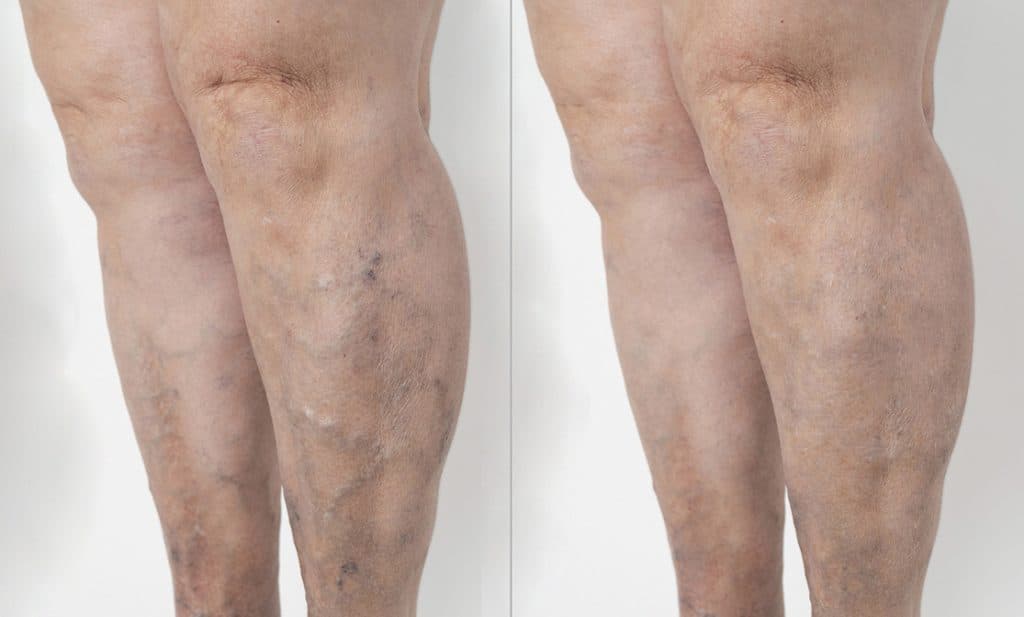
Sclerotherapy is a minimally invasive procedure used to treat certain spider veins, reticular veins, and small varicose veins. A physician injects a solution into the selected vein, irritating its lining so the vein closes and is gradually absorbed by the body.
Blood is redirected through other veins, and the treated vein may fade over time. Sclerotherapy may be considered for cosmetic concerns or symptoms such as aching, swelling, cramping, or leg heaviness when the physician determines the vein is appropriate for treatment.
Your Visit
The treatment plan is based on your symptoms, vein pattern, examination, and goals. The physician determines which superficial veins are suitable, discusses realistic expectations, and explains how to prepare.
Treatment is performed in the office. The number of injections and amount of solution used depend on the veins selected. Most patients are asked to walk shortly afterward, and compression stockings may be recommended as part of aftercare.
The physician reviews symptoms, health history, medications, circulation concerns, and treatment goals.
The physician examines the veins. Ultrasound evaluation or guidance may be used when clinically appropriate.
A solution is injected into the selected superficial veins as part of the treatment plan.
Walking, compression, activity, and follow-up instructions are individualized for the treatment performed.
Insurance & Self-Pay
Medicare or another insurer may cover treatment when it is medically necessary for qualifying symptoms. Cosmetic-only treatment is typically not covered. Coverage may require prior authorization and a pre-procedure ultrasound to evaluate venous reflux. Benefits and approval are determined by the patient’s insurer.
If treatment is not covered, the current cash price is $425 per approximately one-hour session. Confirm pricing and coverage with the practice before treatment.
Common Questions
Treatment generally lasts about one hour. Plan to be in the office for approximately 90 minutes to allow time for questions and dressing.
The number of sessions depends on the number, size, and severity of the veins being treated. Many patients may need one to three sessions, while others may need fewer or additional visits.
The procedure involves multiple injections. Patients may experience brief stinging or discomfort with needle insertion. Topical numbing may be provided.
Possible effects include mild discomfort, swelling, bruising, and temporary discoloration. Your physician will review less common or more serious risks during the consultation.
Many patients can return to routine daily activities quickly. Driven Healthcare asks patients to walk for at least 15 minutes after the procedure. Individual restrictions and aftercare instructions may vary.
Compression stockings may be included in your aftercare plan. Following compression and activity instructions can affect recovery and treatment response.